Beams Engine Services: Upgrade Your Vehicle's Potential Today
Beams Engine Services emphasizes maximizing automotive capability through state-of-the-art diagnostics and personalized solutions. Their expert team highlights vital performance metrics such as torque and horsepower, ensuring vehicles operate efficiently. With modification and upgrade options, they address both performance and emissions. As more drivers pursue optimization of their vehicle's potential, learning about the advantages and techniques of engine improvement becomes essential. What possibilities await those ready to boost their driving experience?
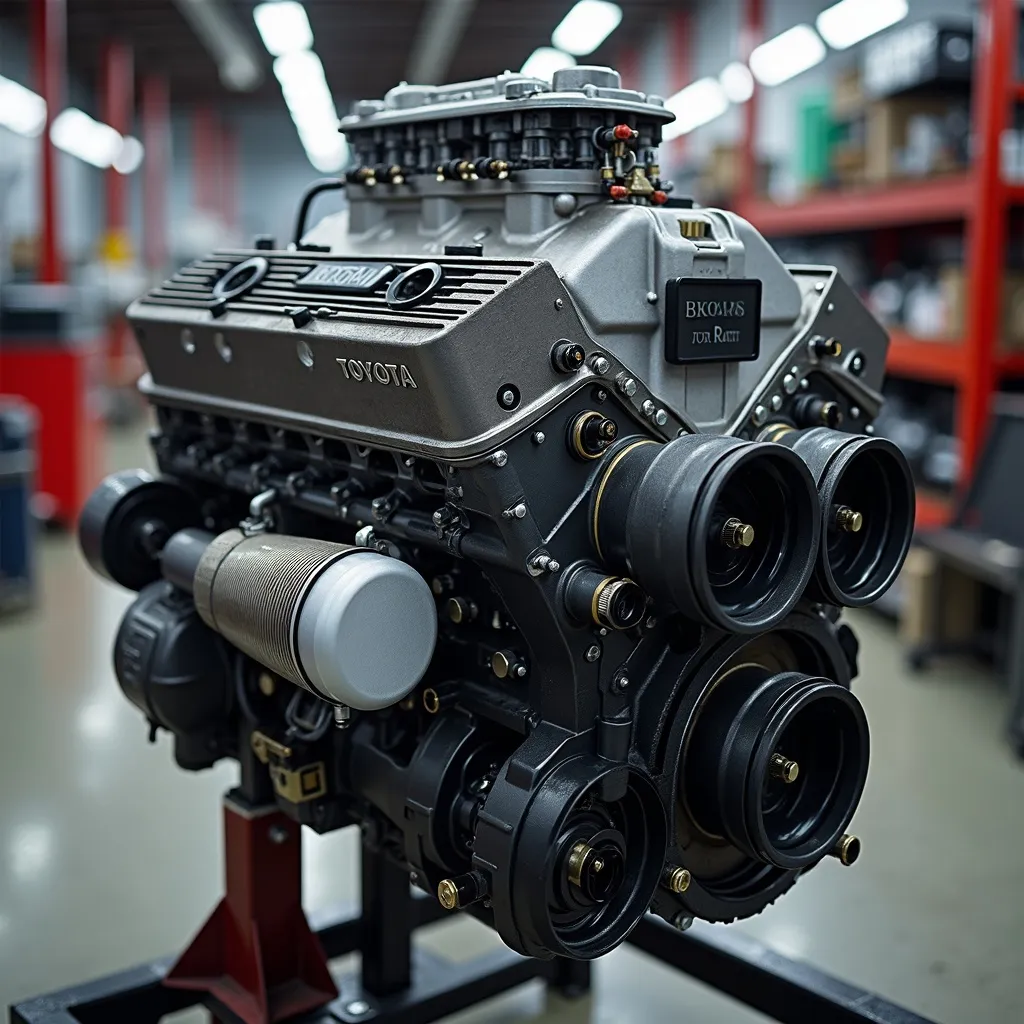
Basic Concepts of Engine Performance: Key Metrics Explained
Engine capability is a vital factor of vehicle power and efficiency. Several key metrics determine how well an engine functions. Horsepower represents the engine's ability to perform work, showing how fast a vehicle can pick up speed. Torque, on the other hand, describes the turning force produced by the engine, necessary for tasks such as towing and climbing hills.
One important metric is fuel efficiency, often expressed in miles per gallon (MPG). This figure determines how effectively an engine converts fuel into motion, directly impacting operating costs. Additionally, engine responsiveness is critical; it assesses how quickly an engine can react to driver inputs, affecting overall driving experience.
To summarize, exhaust emissions is increasingly significant, reflecting the engine's environmental impact. Mastering these metrics enables vehicle owners to measure performance, guaranteeing well-informed choices concerning upkeep and improvements, ultimately improving their overall driving experience.
How We Improve Your Vehicle Performance
To improve vehicle capacity, advanced analysis methods are leveraged to uncover underlying concerns. These approaches render a clear grasp of a vehicle's situation, enabling the introduction of focused improvement methods. By handling both investigations and improvements, ideal vehicle capabilities can be achieved.
State-of-the-Art Diagnostic Techniques
Exploring a vehicle's complete capabilities requires precise and sophisticated diagnostic techniques. At Beams Engine Services, skilled technicians apply state-of-the-art tools and software to identify underlying issues that may impede performance. These diagnostic methods involve extensive scanning of onboard systems, scrutinizing engine codes, and performing thorough performance assessments. By analyzing parameters such as fuel efficiency, ignition timing, and exhaust emissions, technicians can detect inefficiencies that impact overall operation. In addition, advanced diagnostic techniques enable the early detection of potential problems, permitting timely interventions. This proactive approach not only boosts vehicle reliability but also ensures peak functionality. Ultimately, these meticulous assessments lay the groundwork for custom performance improvements, setting the stage for a vehicle that runs at its best.
Operational Optimization Strategies
After recognizing engine problems through sophisticated analysis methods, the focus moves toward deploying engine optimization strategies. Beams Engine Services specializes in a variety of upgrades designed to enhance engine output. These offerings comprise upgraded intake systems, exhaust components, and engine tuning, all aimed at boost power and acceleration. Additionally, the team offers suspension upgrades and brake upgrades, ensuring that vehicles not only perform better but also drive more responsively. By employing quality parts and expert installation, Beams Engine Services ensures lasting improvements. Regular service inspections are also highlighted to maintain improved capabilities over time. Ultimately, these customized upgrades deliver drivers with a more responsive and enjoyable driving experience, elevating their car's potential to new heights.
Engine Performance Upgrades: What Options Are Available?
What options exist for enhancing engine power? Vehicle owners have several paths to explore, each addressing different performance objectives. One favored upgrade is the addition of a performance-enhancing air intake system, which can boost airflow and improve combustion efficiency. Another choice involves upgrading the exhaust system, allowing for better expulsion of gases, which can boost power output.
Fine-tuning the engine's electronic control unit is another effective way, maximizing fuel delivery and ignition timing for better efficiency. For those looking for more substantial power gains, forced induction systems can be incorporated, forcing air entering the engine for increased performance.
In conclusion, replacing fuel injectors and utilizing premium high-octane fuel can also boost more robust engine performance. Each of these options offers distinct benefits, permitting vehicle owners to adjust their upgrades according to their performance aspirations and driving needs.
Top 5 Advantages of Optimized Engine Efficiency
An improved engine efficiency provides a variety of benefits that can significantly enhance a vehicle's general functioning and ride quality. First, it leads to improved fuel economy, allowing drivers to go farther on less fuel, reducing total expenses. Second, improved efficiency often results in reduced pollutants, contributing to a greener operation. Moreover, an high-performing engine can provide greater horsepower, providing quicker acceleration and improved responsiveness, which can substantially enhance the driving experience. Fourth, optimized engine functioning can result in reduced engine wear, extending the life of key parts and minimizing maintenance costs over time. Finally, enhanced engine performance can result in quieter operation, improving interior comfort and reducing noise pollution. Collectively, these benefits make a convincing case for why vehicle owners ought to emphasize engine efficiency when considering performance upgrades.
The Way Modern Solutions Boosts Engine Efficiency
In modern automotive engineering, technology plays an essential role in optimizing engine performance. Advanced diagnostic tools provide real-time data, allowing for quick identification of issues and enhancing overall efficiency. Additionally, precision tuning techniques enable mechanics to calibrate motors for peak strength and gas mileage.
Sophisticated Diagnostic Tools
Leveraging the capabilities of advanced diagnostic technology transforms motor tuning, allowing technicians and automotive enthusiasts to detect operational problems explore the details with precision. These tools, outfitted with state-of-the-art technology, provide immediate information that highlights motor performance indicators. By utilizing integrated diagnostic systems, mechanics can rapidly assess error codes and locate malfunctions, streamlining the troubleshooting process. Furthermore, software applications analyze vehicle parameters, allowing for thorough assessments of fuel efficiency, exhaust output, and general motor condition. This data-driven approach enhances decision-making, guaranteeing that repairs are targeted and successful. In the end, state-of-the-art diagnostic tools not only enhance the precision of engine evaluations but also contribute to extended car longevity and improved functionality, making them essential in modern automotive service.
Accurate refinement techniques for maximizing output
Sophisticated diagnostic tools create the basis of meticulous calibration methods, which harness modern technology to improve engine performance. These methods utilize advanced programs to evaluate performance metrics in ongoing fashion, facilitating calibration modifications that improve fuel efficiency and performance delivery. Through the use of complex computational tools and performance data examination, tuning professionals can detect operational inefficiencies and complete required adjustments to ignition scheduling, fuel-air balance, and other parameters. In addition, dyno analysis furnishes important knowledge of performance adjustments, guaranteeing each modification achieves measurable results. By employing precision tuning, motor vehicles can develop enhanced reaction capability and dependable operation. This technical methodology increases performance potential while also prolongs operational life, establishing precision tuning a fundamental part in contemporary engine optimization.
Success Stories: How Engine Optimization Changed Lives
Engine enhancement has changed countless lives, boosting not only vehicle performance but also the driving experience itself. For many drivers, the gains have been impactful. One person, a young entrepreneur, reported that after optimizing his engine system, he experienced a significant increase in mileage, allowing him to save money on gas and allocate funds in his growing business. Another success story comes from a group who, after engine work, noted their journeys more rewarding due to improved acceleration and control, building cherished moments on the highways.
In addition, car enthusiasts have discovered that engine optimization not only strengthens horsepower but also upgrades overall enjoyment with their vehicles. The delight of driving a finely tuned engine has rekindled passions for many, making each journey memorable. These stories represent how engine optimization at Beams Engine Services transcends mere mechanics, impacting lives and creating lasting connections between drivers and their vehicles.
Instructions for Getting Started With Beams Engine Offerings?
To initiate the experience of enhancing vehicle performance with Beams Engine Services, drivers should initially perform in-depth investigation on the different services offered. This involves understanding performance tuning, performance upgrades, and diagnostic services tailored to particular vehicle types.
Next, prospective clients should assess their cars' present states and identify specific performance goals, such as improved horsepower or fuel efficiency. Speaking with experienced staff at Beams Engine Services can offer insights into the most advantageous services for each car's requirements.
Booking an first session is vital, as it gives drivers to review their priorities and receive individual recommendations. In addition, consulting testimonial accounts and testimonials can assist in evaluating the steadfastness and effectiveness of the services.
Finally, drivers should prepare for any required maintenance or fixes, ensuring their cars are prepared for optimal efficiency enhancements. By following these guidelines, motorists can successfully initiate their performance-enhancing journey with Beams Engine Services.
Popular Inquiries Asked Often
How much time Does an Engine performance enhancement Take?
An motor performance upgrade generally needs anywhere from a few hours to a number of days, depending on the complexity of the modifications and the exact vehicle. Proper preparation and scheduling can greatly influence the total timeframe.
Can Performance Improvements Void My Vehicle's Warranty?
Performance upgrades might possibly void a vehicle's warranty, depending on the manufacturer's policies. It is important for vehicle owners to examine warranty terms and consult with professionals to comprehend the implications of modifications before continuing.
Which Categories of Automobiles Can Gain From Your Solutions?
Many vehicles can gain advantages from performance enhancements, including sports cars, trucks, and SUVs. Improvements can improve speed, handling, and fuel efficiency, attracting car enthusiasts and regular drivers looking for a more engaging driving experience.
Are There Any Risks Associated With Engine Performance Upgrades?
Yes, engine performance enhancements can pose risks such as increased wear and tear, potential overheating, and voiding warranties. Thorough assessment and expert advice are crucial to reduce these dangers and guarantee secure alterations.
What Intervals Should I Service My Engine for Best Results?
For optimal operation, an engine should be maintained every 5,000 to 7,500 miles, contingent on the vehicle and operating conditions. Regular care ensures longevity and efficiency, reducing the likelihood of costly repairs and mechanical problems.